
MEDICARE & RETIREE HEALTH

This page provides important information to help you better understand how Health Plan benefits work once you become Medicare-eligible.

Learn the Basics of Medicare

The Health Plan recommends all participants, no matter your coverage type, enroll in Medicare Part A when you first become eligible, but there may be other parts of Medicare you need to enroll in once you reach age 65. To learn about Medicare parts and coverage basics or to prepare to enroll, explore Medicare’s official website, Medicare.gov, through the links below:

STEP 1: UNDERSTAND YOUR COVERAGE TYPE

The first step to understanding how the Health Plan works with Medicare is to understand your coverage type. Your Health Plan coverage type determines how we work with Medicare, so it is important to regularly monitor your coverage from year to year for any changes.

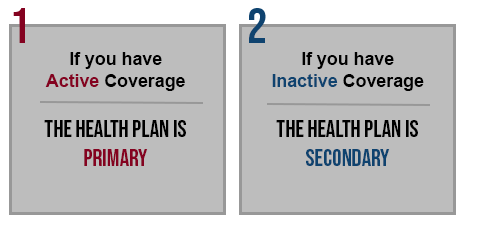
There are two Health Plan coverage types: Active Coverage and Inactive Coverage:

If you are unsure which coverage type you have, check the Health Eligibility tab on the myPHP online benefits portal or recent Plans documents sent to you, including Open Enrollment cover letters. For questions about your coverage status, please contact the Health Plan’s Eligibility department at (323) 866-2200, Ext., 502 or via email at eligibility@dgaplans.org.

STEP 2: ENROLL IN THE APPROPRIATE MEDICARE PARTS BASED ON YOUR HEALTH PLAN COVERAGE TYPE

This section briefly describes the Medicare parts necessary based on whether you have Active or Inactive Health Plan coverage. It is important to enroll into Medicare in a timely manner as appropriate for your circumstances to avoid potential lifetime penalties. For more detailed descriptions of the Medicare parts, visit Medicare.gov.

Medicare Part A

Medicare Part A is hospital insurance and premium free.

Everyone should enroll in Part A once eligible.

Medicare Part B

Medicare Part B is medical insurance.

If you have Active Coverage through the Health Plan or through your spouse’s plan, you do not need to enroll in Part B.

If you have Inactive Coverage (or no coverage), you should start enrolling in Part B at least three months prior to your 65th birthday.  The maximum amount the Health Plan will pay is 20% of covered expenses because your claims will be processed as if you are enrolled in Medicare Part B.

Medicare Part C

Medicare Part C (also called Medicare Advantage) is a Medicare-approved plan from a private company.

Medicare Part D

Medicare Part D is prescription drug coverage.

If you have any Health Plan coverage that includes prescription drug benefits, you do not need to enroll in Medicare Part D.

This includes: (1) Earned Active (2) Earned Inactive (3) Certified Retiree (4) Retiree Carry-Over or Regular Carry-Over and (5) Self Pay (except for the Bronze Plan)

STEP 3: DETERMINE WHETHER THE HEALTH PLAN IS PRIMARY OR SECONDARY

Once you know whether you have Active or Inactive Coverage with the Health Plan, you will also know which plan—the Health Plan or Medicare— will pay your medical bills first (that is, be your primary plan) and what portion of your medical bills each plan is responsible for. This process is called coordination of benefits.

Your primary plan is responsible for the largest portion of your medical bill’s covered expenses and is who you should submit your medical claims to first. To learn how the Health Plan determines what expenses are covered, read about the Health Plan’s Allowed Amount on page 47 of the March 2025 Health Plan Summary Plan Description.

STEP 4: SUBMIT YOUR CLAIMS TO YOUR PRIMARY PLAN FIRST

How you submit your medical claims when you are covered by both the Health Plan and Medicare depends on your type of Health Plan coverage (see above). Click the appropriate heading below for your circumstances for information on how to submit your claims and how your claims are processed.

QUESTIONS?

For questions, please contact the Health Plan’s Eligibility department at (323) 866-2200, Ext., 502 or via email at eligibility@dgaplans.org.

Read the Medicare & the DGA-Producer Health Plan guide for more information and FAQs.